
Video podcast for business. People buy from a face.
 By Alon Shkuri, producer Published
A video podcast for business is an interview you record on camera and publish as full episodes and clips. For a B2B show, video is not a bonus: people buy from a face, and without one there is little you can post on LinkedIn. The setup is simpler than it looks: good light, a good microphone and a clean background, with a phone as camera if your webcam isn't good enough.
Why we don't recommend audio-only
We don't recommend audio-only for a B2B show. People buy from a face, and without one you can hardly post the episode on social media, least of all on LinkedIn.
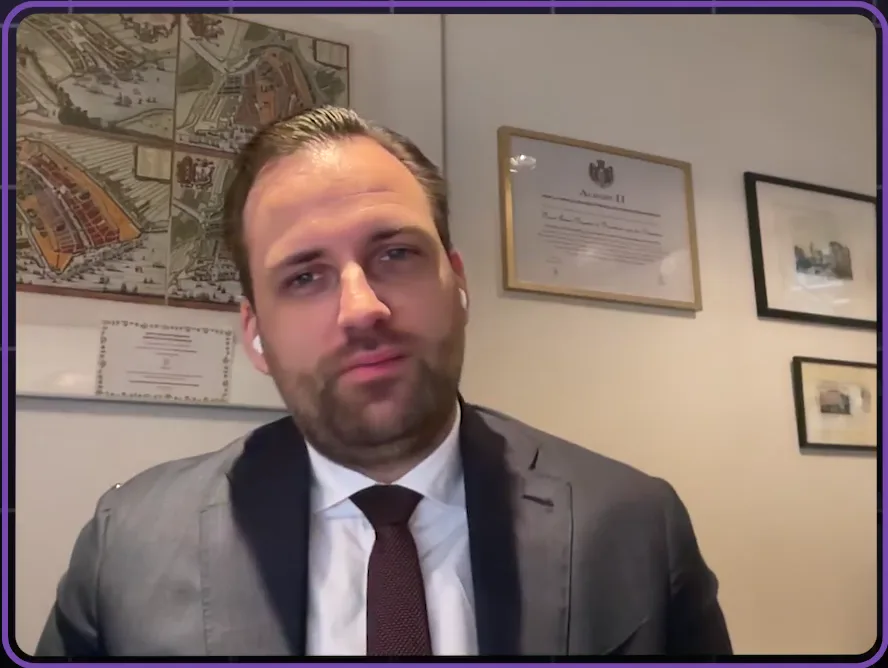
A face also says something before anyone presses play. When people see you in conversation with a guest, they assume you know each other well: that the guest is a customer, or a good friend. That impression is worth a lot.
An audio show only works if people listen. A video show also works when they don't: someone who watches two minutes of a clip still sees that you are there, and who you talk to.
People buy from a face, so a B2B podcast needs video.
The setup we ask for
- A professional background. An office or a workspace is fine; a living room works only if it looks like a place where you work.
- Good light. Sit facing a window, or buy a key light, such as the ones Elgato makes.
- A good microphone, and let it be seen. A guest or viewer who sees a real microphone takes you more seriously than one who hears a laptop.
- A phone as camera if the camera in your laptop isn't good enough: a recent iPhone or similar on a mini tripod.
- Every person on their own track. How to record remotely, with the checklist we send every guest, is in our remote recording guide.
What we deliver from one recording
From every recording you get the full episode in landscape (16:9), for YouTube and your own site, and clips in both formats: vertical (9:16) for LinkedIn, Instagram and TikTok, and horizontal. Reel cuts 6 vertical and 2 horizontal clips per episode, with captions. Pulse posts the episode and the clips on YouTube, Spotify, Apple Podcasts, LinkedIn, Instagram and TikTok.
How to set up a show on YouTube, with one playlist per series, is in our YouTube podcast guide.
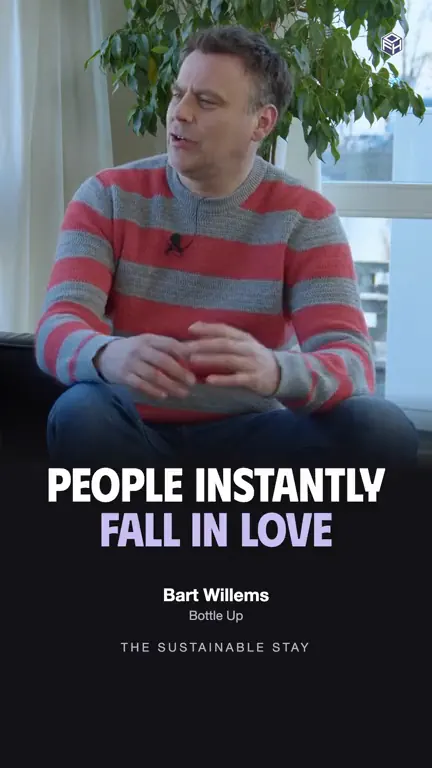
What video did for Future of Hospitality
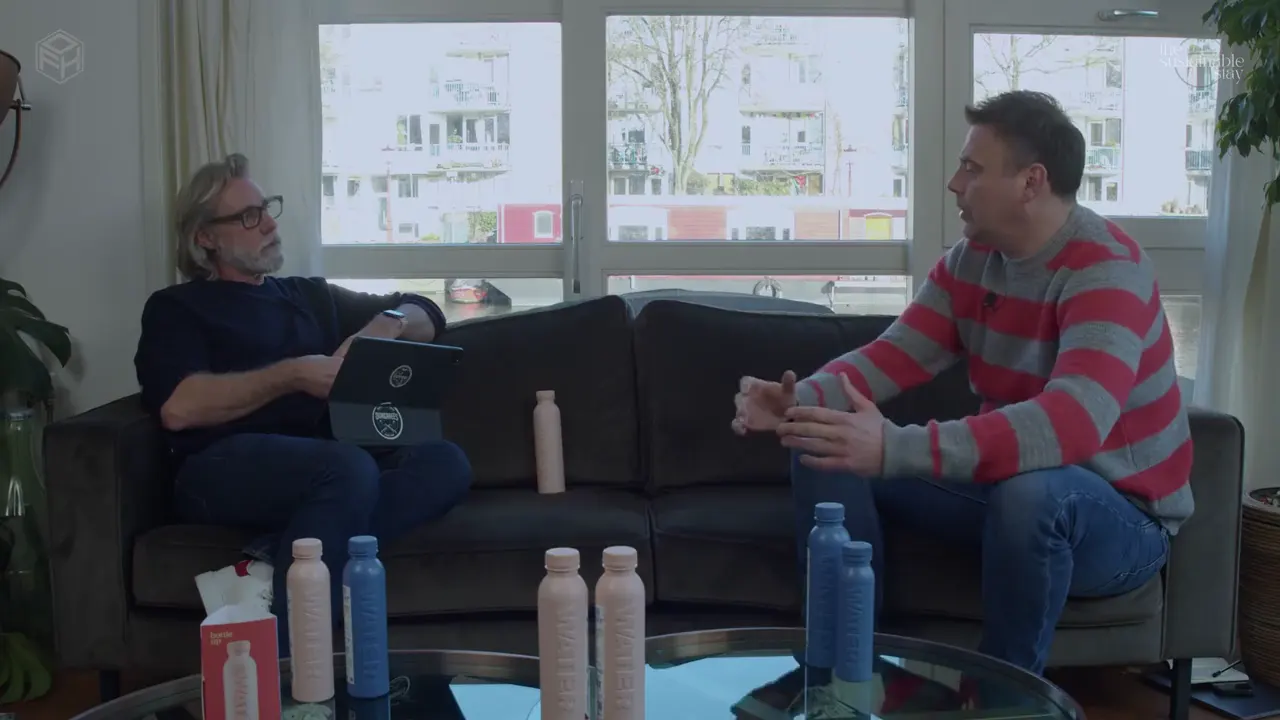
Future of Hospitality, a show we produce, is recorded on video. From those recordings came content for the whole year: articles on the site, and posts on LinkedIn, YouTube, TikTok and Instagram. 277 of the show's videos are in Google's video index, because each episode page has the video as its main content; why that matters is in our podcast SEO guide.
Sources
- Own data: Future of Hospitality: the channels it publishes on, and 277 videos in Google's video index as counted in our podcast SEO guide (November 2026).